dene-hollow-dental-logo

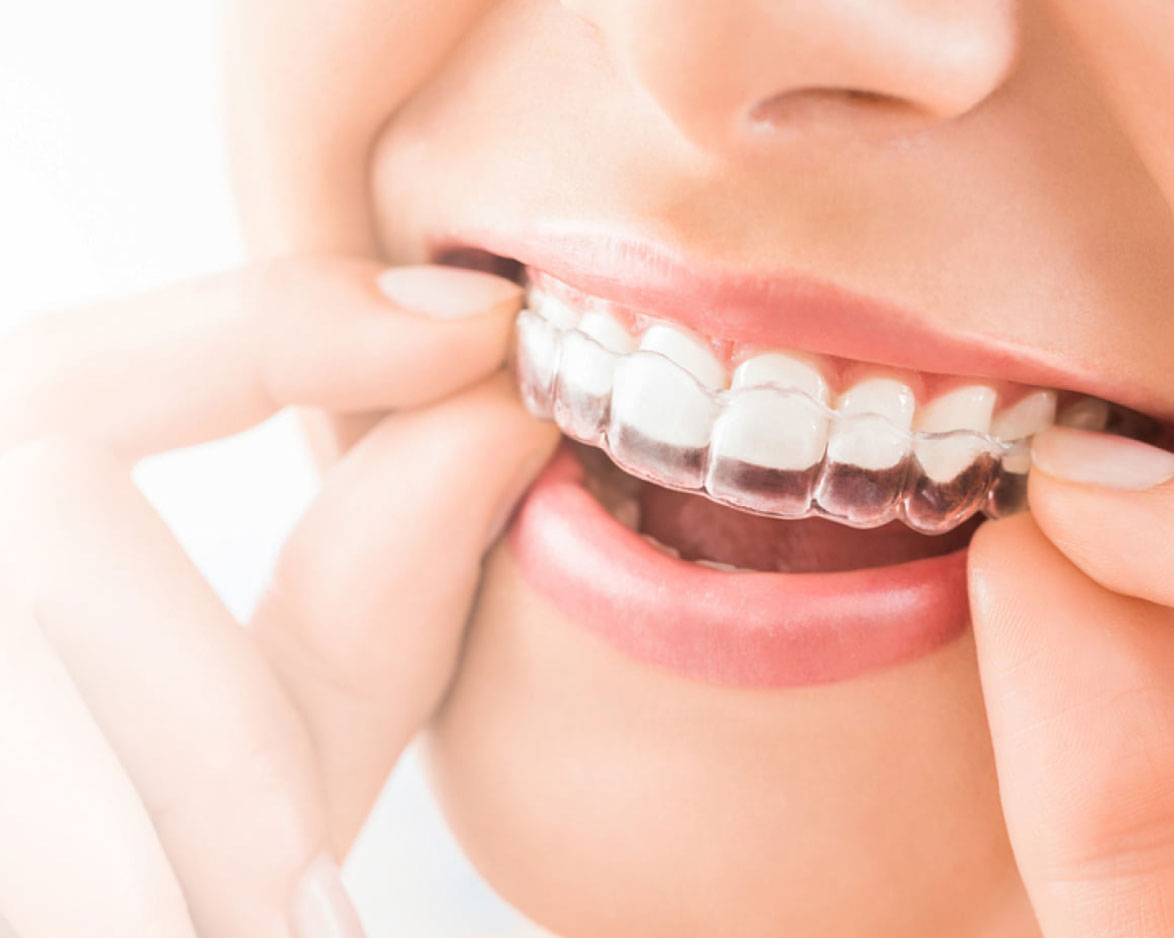
Invisalign® is an advanced clear aligner system to straighten your teeth.

Invisalign® is a type of clear aligner that has gained popularity in recent years. Basically, unlike other braces and aligners, Invisalign® is easy to remove and clean and doesn’t require you to visit the dentist for any broken wires, unlike regular braces, which is why they’ve become popular in recent years. Commonly, Invisalign® is popular with young adults and teens who want to fix their smile without feeling awkward with how they look since they are NEARLY INVISIBLE.

Invisalign

Invisalign®

  • Clear, virtually invisible
  • Smooth and comfortable
  • Removable & easy to clean
  • Eat anything you want
Traditional braces

Traditional Braces

  • Wires and brackets
  • Can decorate with colours
  • Colours can be changed at every visit
  • Non removable
VS

Smile gallery

Case by Invisalign

Before

After

Images by Invisalign

Case by Invisalign

Before

After

Images by Invisalign

Case by Invisalign

Before

After

Images by Invisalign

Case by Invisalign

Before

After

Images by Invisalign

Case by Invisalign

Before

After

Images by Invisalign

Smile gallery

Case by Invisalign

Before

After

Images by Invisalign

Case by Invisalign

Before

After

Images by Invisalign

Case by Invisalign

Before

After

Images by Invisalign

Case by Invisalign

Before

After

Images by Invisalign

Case by Invisalign

Before

After

Images by Invisalign

Comparison with Invisalign® vs other treatments

Other clear aligners

Traditional braces

Made from SmartTrack™ material

check

In-person consultations with real dentists

check
check

Easily removable for eating, drinking & flossing*

check
check

No emergency visits for broken wires

check
check

Made from SmartTrack™ material

check

In-person consultations with real dentists

check

Easily removable for eating, drinking & flossing*

check

No emergency visits for broken wires

check

Virtually invisible

check

Each aligner is trimmed to your gum line for optimal comfort and appearance**

check

Blue compliance indicator dots to help you stay on track

check

Covered by many orthodontic insurance plans

check

Easily removable for eating, drinking & flossing*

check

No emergency visits for broken wires

check

Virtually invisible

check

Covered by many orthodontic insurance plans

check

In-person consultations with real dentists

check

Made from traditional brackets and wires

check

Covered by many orthodontic insurance plans

check
SCHEDULE A CONSULTATION

Dene Hollow Dental
Invisalign® Bronze Provider

Invisalign Bronze Supplier

Five reasons why you should choose us for your Invisalign® treatment

Award winning practice

Award-winning customer service

Free initial consultation

Free initial consultation

Free teeth whitening

Teeth whitening worth £325, included for free

Beautiful teeth in as little as three months

Beautiful teeth in as little as three months, using safe cosmetic braces

SCHEDULE A CONSULTATION

What can Invisalign® fix?

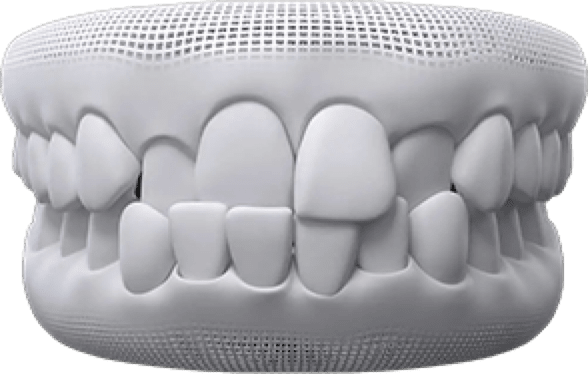
Crowded teeth

Crowded teeth

Crowded teeth is a condition where you do not have enough room for your teeth to fit normally. This can cause plaque or tartar and other harmful bacteria to build up as it is harder for you to brush and floss well.

Gaps between teeth

Gaps between teeth

Gaps between teeth is when there is extra space between two or more of your teeth. This can cause pockets between your teeth and gums and can cause food to get stuck making them tender and sore. This might also lead to gum disease.

Open bite

Open bite

An Open bite is when your upper and lower teeth don't touch when you close your mouth. An open bite can make it hard for you to chew or difficult to bite even the most common of food like apples.

Underbite

Underbite

An underbite is when you close your mouth and your lower front teeth are in front of your upper teeth. In many cases, this is actually a problem with your lower jaw being too far forward. An underbite can make it hard to chew properly and speak clearly, and it might cause your teeth to wear down more quickly.

Overbite

Overbite

An overbite is when your upper front teeth overlap with your lower front teeth. Most people have at least a little overbite. When your overbite is too large, your doctor might tell you you have a deep bite. This can cause problems, from your teeth wearing down to pain in your jaw.

Crossbite

Crossbite

A crossbite is when you close your mouth and yet some of your upper teeth are sitting inside your lower teeth rather than on the outside. A crossbite can make your teeth wear down or chip. It can also make your gums start to recede or make little notches above your gum line. This kind of damage can lead to painful gum problems or even bone loss.

SCHEDULE A CONSULTATION

Invisalign® GO

from £ 3500
  • Free initial consultation
  • Free teeth whitening worth £325
  • Free Scale and Polish
  • Free set of retainers
Book Now

Frequently asked questions

1. What is the treatment process? plus black gray circle arrow minus black gray circle arrow

Treatment begins with a consultation with your dentist, who will assess your smile and create a precise, personalised digital treatment plan. This plan provides a step-by-step preview of your expected smile transformation. Once you approve the plan, your custom-made aligners will be created. You will wear each set of aligners for 20–22 hours per day, changing to a new set every 1–2 weeks as instructed by your dentist. Each aligner is designed to gently and gradually move your teeth into their ideal position, following your customised treatment plan until you achieve your new smile.

How long does Invisalign® treatment take?

The length of treatment depends on multiple factors, like how complex your case is and how often you wear your aligners. Your dentist will determine exactly how long your treatment could take based on your specific needs. On average, treatment time is typically between 3-7months, though you can start seeing results in a matter of weeks.

What are Invisalign® clear aligners made of, and what do they look like?

Invisalign® clear aligners are made of flexible plastic — specifically, a patented thermoplastic material called SmartTrack® created exclusively for Invisalign® treatment.

2. What is Invisalign® treatment? plus black gray circle arrow minus black gray circle arrow

What is Invisalign® treatment?

Invisalign® treatment is the process of wearing a series of clear, removable aligners that gradually straighten your teeth. No brackets and wires, and none of the restrictions that come with metal braces.

How will Invisalign® treatment straighten my teeth?

Your dentist will create a personalised digital treatment plan that maps the precise movements of your teeth throughout your journey. Based on this plan, your custom clear aligners are designed to apply the right amount of force in the right place at the right time to gradually move your teeth into position. Your dentist will monitor your progress throughout treatment, ensuring everything is progressing as planned and that your aligners continue to fit comfortably and effectively.

What are the primary benefits of Invisalign® treatment?

Invisalign® clear aligners are virtually invisible, so most people may not even notice you’re wearing them. They can be removed when eating and drinking, brushing and flossing, or for special occasions, allowing you to maintain your usual lifestyle throughout treatment. Unlike traditional braces, there are no metal brackets or wires that can irritate your mouth or break. The aligners are also carefully trimmed to follow your gum line, providing a comfortable fit and a more discreet appearance.

Am I guaranteed to have straight teeth with Invisalign® treatment?

Every smile is unique, which is why Invisalign® treatment begins with a consultation. During your consultation, your dentist will help you understand what treatment could achieve for your smile. While we cannot guarantee a specific treatment outcome, we encourage you to share your goals so your dentist can tailor the plan to your needs.

3. Who is Invisalign® treatment for? plus black gray circle arrow minus black gray circle arrow

Could Invisalign® treatment be right for me?

Invisalign® treatment can be a great solution for both adults and teens looking for a virtually invisible method to improve their smile. The innovations and technological advancements make it possible to fix nearly all common teeth-straightening and bite issues, from simple to complex — all without interrupting your busy life. And, thanks to a discreet blue dot on the outside of teen aligners, parents can be sure their child is wearing their clear aligners enough.

How do I get started with Invisalign® treatment?

Just mention you are interested in straightening your teeth to your dentist, and we will assess and discuss with you the options available.

Can I go to any dentist or orthodontist for Invisalign® treatment?

Many orthodontists and dentists are Invisalign®-trained providers, but not all are. Those who offer Invisalign® treatment must complete specialised training before they are able to provide it, ensuring they are equipped to plan and monitor treatment effectively.

What should I bring to my consultation with my dentist?

Bring your questions. You should also bring any information you might have about your dental history.

What should I expect during my consultation?

During your consultation, your dentist will discuss your teeth-straightening goals and examine your smile to understand your specific needs. They may also outline how long treatment could take and provide an overview of your individual treatment cost. In most cases, your dentist will recommend a dental check-up and cleaning before starting treatment to ensure your teeth and gums are healthy and to help reduce any unnecessary risks.

How often will I change my aligners?

Your dentist will advise how often you should change to new aligners, as this will depend on your individual treatment plan. In many cases, patients are advised to change to a new set of weekly or every two weeks, as directed by their dentist.

How often will I have appointments with my dentist?

Your dentist will schedule regular check-up appointments, typically every four to six weeks, to monitor your progress and ensure your treatment is moving as planned.

My dentist mentioned “attachments”. What are they, and why would I need them for my Invisalign® treatment?

Your treatment may include small, tooth-coloured attachments that are bonded to certain teeth when needed. These act like gentle handles, helping the aligners apply the right amount of controlled force to guide more complex tooth movements. The aligners are designed to fit closely around them, making them discreet and barely noticeable. Not everyone will require these attachments, but if they are needed, your dentist will place them at the start of treatment or during your journey and remove them once they are no longer required.

4. How much does Invisalign® treatment cost? plus black gray circle arrow minus black gray circle arrow

How much does Invisalign® cost?

Like other types of orthodontic treatment, the price of the Invisalign® treatment depends on the complexity of your dental correction and your course of treatment.

5. Why should I feel confident about Invisalign® treatment? plus black gray circle arrow minus black gray circle arrow

How many people have used Invisalign® clear aligners?

Over 8 million people, including more than 1.4 million teens, have used Invisalign® clear aligners to transform their smiles.

How is Invisalign® treatment different from other teeth-straightening options?

Invisalign® treatment is the most advanced clear aligner system in the world, backed by more than two decades of innovation. Unlike braces, Invisalign® clear aligners are removable and virtually invisible. There are no wires and brackets, so you don’t need to change the way you brush and floss. And, you can continue to eat all your favourite foods. And no other clear aligner is made from SmartTrack® material. This advanced technology helps move your teeth more predictably and can help you get the smile you want up to 50% faster.

How old is the company behind Invisalign® clear aligners?

Align Technology, Inc., the company that makes Invisalign® clear aligners, was founded in 1997.

6. What if I've had braces or other types of dental work? plus black gray circle arrow minus black gray circle arrow

I am currently wearing braces. Can I make the switch to Invisalign® treatment?

Possibly. Many dentists treat patients using a combination of braces and Invisalign® clear aligners, depending on their individual needs. Your dentist will assess your smile and recommend the most suitable treatment approach for you.

Since having my braces removed, my teeth have shifted. Can Invisalign® treatment fix this?

Yes, Invisalign® clear aligners can treat nearly all common teeth-straightening issues, from simple to complex. Many people who formerly had braces choose Invisalign® treatment as the discreet solution to improve their smile when they find that their teeth have shifted back.

I have veneers or crowns. Will Invisalign® clear aligners work with them?

It depends. Talk with your dentist about the dental work you’ve had done, including veneers and crowns, and he or she will evaluate your individual needs.

I have bridgework on several teeth. Will Invisalign® clear aligners still work?

Invisalign® clear aligners are designed to move each tooth individually. Because bridgework connects two or more teeth, this may introduce some limitations, but we will identify and discuss this with you at your consultation.

7. How will Invisalign® treatment affect my life? plus black gray circle arrow minus black gray circle arrow

Can anyone tell that I’m wearing the aligners?

Invisalign® aligners are virtually invisible. Others may not even notice you’re wearing them, making treatment a seamless fit with your lifestyle.

Can I take my aligners off whenever I need to?

Yes, you can remove your aligners for eating, drinking, brushing, and flossing. You can take them off for special occasions, like a wedding, job interview, or to play your favourite sport or instrument. Just remember to wear them 20 to 22 hours a day to get the best results.

Are there any restrictions on what I can eat while in treatment?

None! Invisalign® clear aligners are removable, so there are no food restrictions at all (hello popcorn!). With traditional wires and brackets, there’s a long list of foods you unfortunately can’t enjoy, as they can damage or get stuck in your braces.

Is Invisalign® treatment painful?

Invisalign® treatment works by applying gentle, consistent pressure to gradually move your teeth. Some people may experience temporary discomfort during the first few days of wearing a new set of aligners, often described as a feeling of pressure. This is normal and can be a sign that the aligners are working to transform your smile. If you have any concerns or experience ongoing discomfort, you should contact your dentist for advice.

Sometimes when I remove my aligners, my teeth feel loose. Is that common?

Yes. As your aligners gradually shift your teeth into their proper position, your gums are re-forming around each tooth as it moves. Be sure to talk to your dentist about any concerns.

Will Invisalign® treatment still work if I only wear my aligners while I sleep?

You need to wear your aligners 20 to 22 hours a day to get the results you want.

Will wearing clear aligners affect my speech?

It may take a couple of days for your tongue to get used to having your aligners in your mouth, and you may have a slight lisp. But this should disappear quickly.

Will smoking stain my aligners?

We discourage smoking while wearing Invisalign® aligners because it can stain them.

Can I chew gum while wearing aligners?

No, gum will stick to your aligners. We recommend removing your aligners for all meals and snacks, including gum.

Can the aligners slip off while I’m asleep?

It is very unlikely that your aligners would ever fall out, no matter what you are doing: sleeping, talking, laughing, etc. Invisalign® clear aligners are designed to fit snugly around your teeth, so this should not be a cause for concern.

I went on a trip and forgot to take my aligners with me. Will my aligners still fit?

The answer depends on how long you’ve gone without wearing your aligners. If it’s only been a short time, your aligners should still fit, but they might feel uncomfortable. If it’s been a long time, talk to your dentist about your unique situation.

8. How do I take care of my aligners? plus black gray circle arrow minus black gray circle arrow

What’s the best way to clean my aligners?

The best way to clean your aligners is by brushing and rinsing them in lukewarm water and using the Invisalign® Cleaning Crystals or special cleaning tablets. You must brush your teeth after each meal before re-inserting your aligners to maintain good oral hygiene.

If I have food residue (like blueberries or pasta sauce) in my mouth when I put my aligners back in, can they become stained?

Yes. That’s why it’s important to brush after every meal, before placing your aligners back in your mouth.

What if I lose or break an aligner? What should I do?

If you lose or break an aligner, immediately let your dentist know. Your dentist will work with you to ensure you stay on track with your treatment plan, which may involve wearing a previous set of aligners, your next set of aligners, or ordering replacement aligners.

Can I order replacement aligners from the Invisalign® brand directly?

All aligners and retainers must be ordered through your dentist, as they are considered a prescription item. Please contact your dentist directly if you need to order a replacement.

9. What happens when I'm done with treatment? plus black gray circle arrow minus black gray circle arrow

Will I need to wear a retainer after treatment to prevent my teeth from moving again?

Most dentist recommend that anyone who has completed orthodontic treatment, whether with braces or Invisalign® treatment, use a retainer to prevent teeth from gradually shifting back toward their initial position. Every case is different, so ask your dentist if you need retainers.

What type of retainer should I use?

Invisalign® recommend Vivera retainers, which are specifically designed for use after treatment, and are made from a proprietary material 30% stronger than other leading clear retainer materials, which helps you to keep your new smile.

However, there are many different types of retainers, which your dentist can discuss further with you.

How long will I have to wear my retainers?

Your dentist will give you specific instructions on how often you need to wear your retainers. Typically, you wear your first set full-time, then, based on your dentist’s recommendation, you may gradually reduce how much you wear them until you only wear them at night.

Lost your retainer? No problem.

If you lose or break your retainers, or simply run out, just get in touch with your dentist. They can work with you to make a new set of retainers, so you can keep showing off that smile!

SCHEDULE A CONSULTATION

Your Smile Starts Here

Schedule your consultation today and take the first step to a healthier, brighter smile. Our friendly team will discuss your options, answer all your questions, and create a personalised plan just for you.

Schedule a Consultation

GET IN TOUCH

To speak with a member of our team to arrange or cancel an appointment or to make an enquiry as a new or existing patient, please get in touch.

4.4
Google-review